Upgrade buildings to higher energy efficiency
The university conducts regular energy audits of all its buildings to identify areas where energy efficiency can be improved. These audits assess the performance of heating, cooling, lighting, insulation, and other energy systems, and provide data that informs our upgrade strategies. The results of these assessments are used to prioritise buildings and systems that require immediate attention, allowing us to maximise energy savings and reduce emissions.
■Retrofitting for Energy Efficiency
Our upgrade plan includes retrofitting older buildings with modern, energy-efficient AI technologies. This includes installing high-efficiency heating, ventilation, and air conditioning (HVAC) systems, improved insulation, energy-efficient windows, and low-energy lighting. The aim of retrofitting is to significantly improve the thermal performance of buildings, thereby reducing the need for heating and cooling, and lowering overall energy consumption.
■Lighting Upgrades
The university is upgrading lighting systems across its buildings by replacing traditional lighting fixtures with energy-efficient LED lights. LED lighting uses significantly less energy and has a longer lifespan, reducing both energy consumption and maintenance requirements. Smart lighting controls, such as motion sensors and daylight sensors, are also being installed to reduce unnecessary energy use in classrooms, offices, and common areas.
■Renewable Energy Integration
Where feasible, renewable energy systems are being integrated into existing buildings to further improve energy efficiency. Solar panels are being installed on rooftops, and buildings are being equipped with ground or air source heat pumps to reduce dependence on conventional energy sources. Our goal is to transition existing buildings to a mix of renewable and efficient energy sources, helping to reduce their carbon footprint.
■Green Building Certifications
As part of our energy efficiency upgrades, we are working towards achieving green building certifications, such as EEWH, for upgraded facilities. These certifications provide a recognised standard for energy performance and environmental sustainability, ensuring that our buildings meet high energy efficiency criteria. The certification process also helps us identify additional areas for improvement and provides external validation of our sustainability efforts.
All evidence is publicly accessible online:
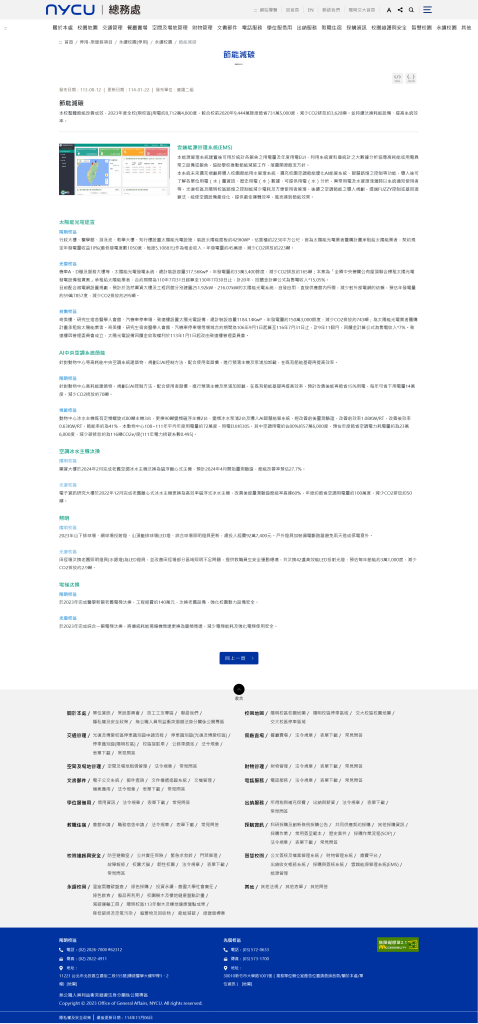
1.NYCU Existing Buildings Upgrade Strategies
https://ga.nycu.edu.tw/ga/ch/app/artwebsite/view?module=artwebsite&id=5606&serno=39526cb4-47c1-4de1-8638-2a7269e6d6e5
2. NYCU Green Building Certifications
https://ga.nycu.edu.tw/ga/ch/app/artwebsite/view?module=artwebsite&id=5608&serno=8ff4b935-b45b-49dd-b2d1-9d2ad8a262d6

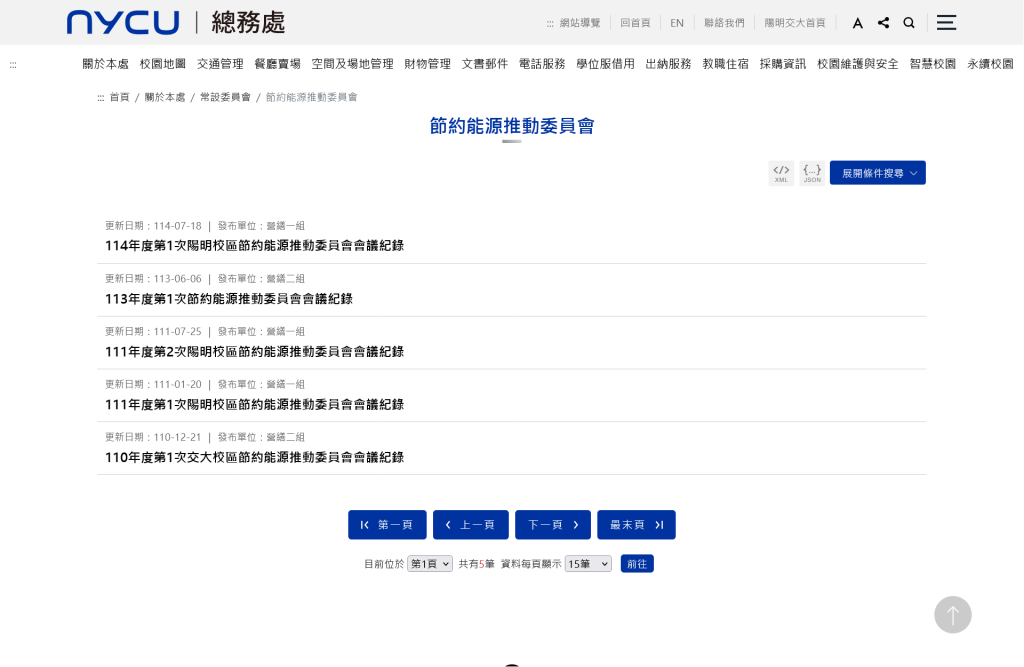
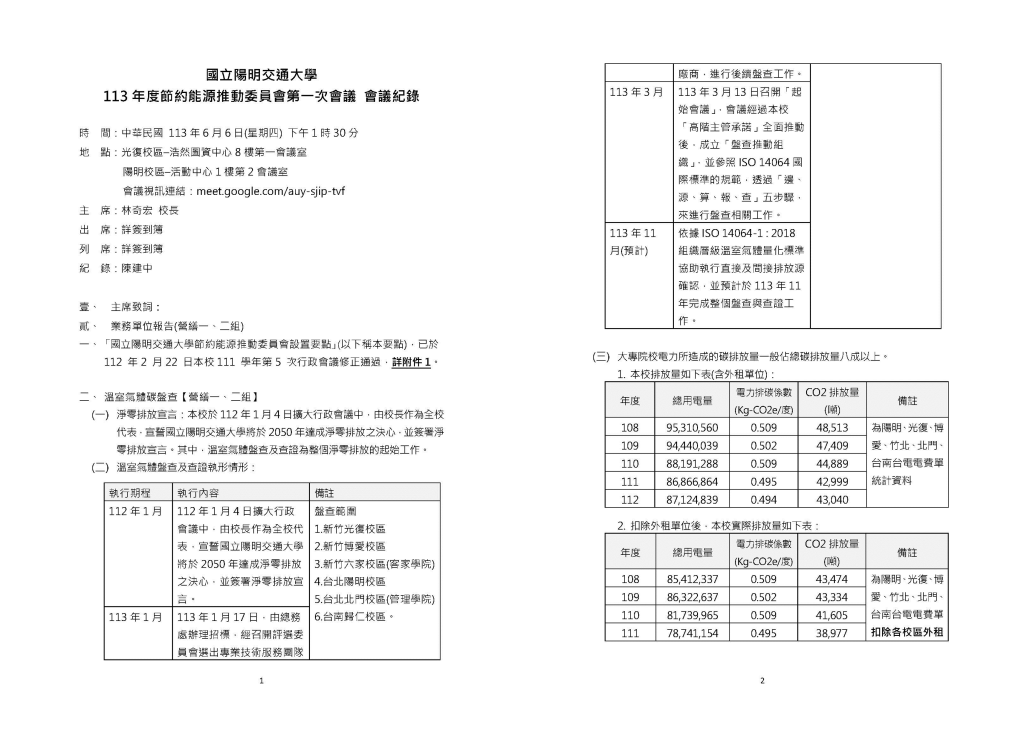
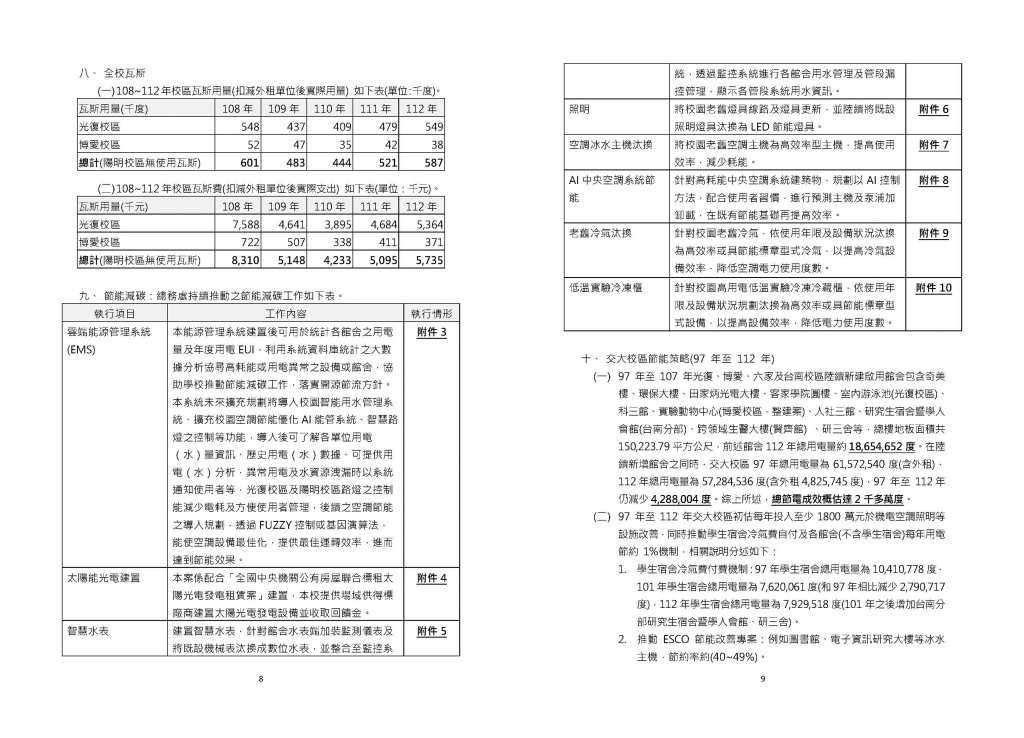
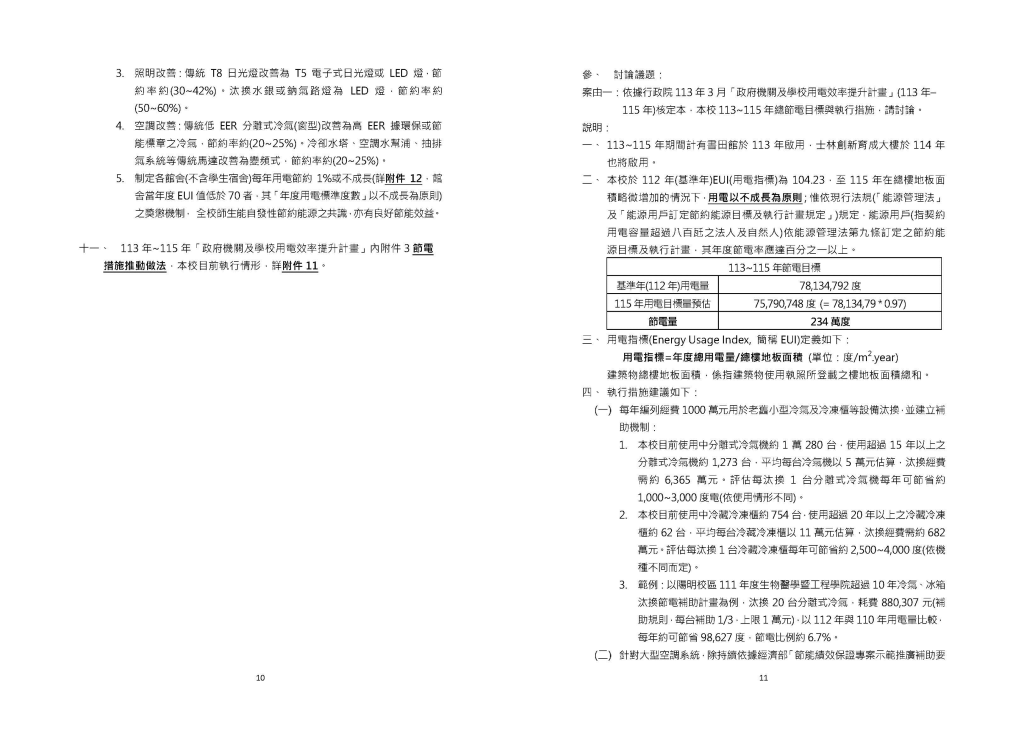
3. NYCU 2024 Energy Conservation Promotion Committee Meeting Minutes
https://www.nycu.edu.tw/ga/ch/app/data/list?module=nycu0038&id=1087